1 April 2026
Kazakhstan Discusses Tariff Policy and Sustainable Development of Water Supply and Sanitation
Kazakhstan discusses tariff policy and sustainable development at the Water Supply and Sanitation 2030 forum, addressing significant challenges in the sector.
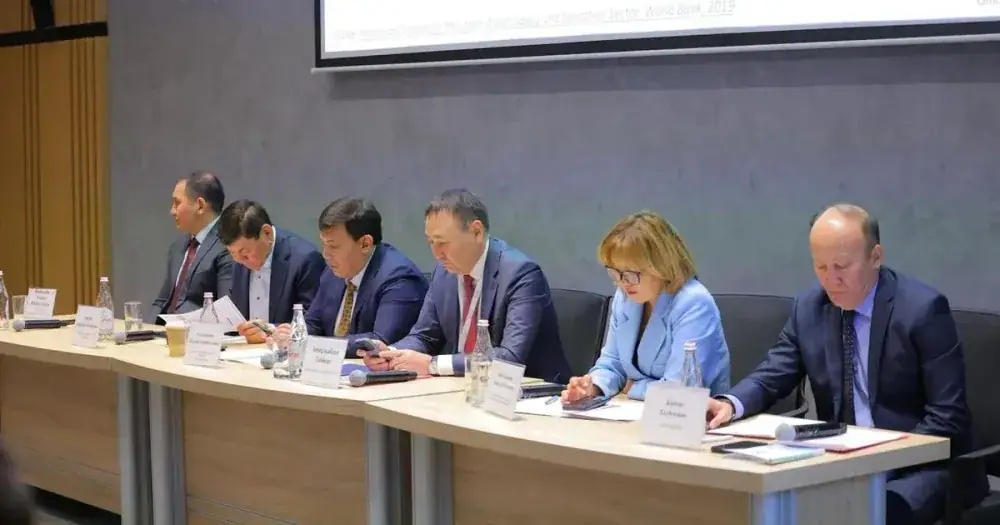
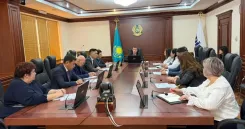
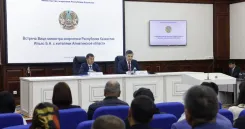
Today, representatives of the Committee for the Regulation of Natural Monopolies participated in the industry forum "Water Supply and Sanitation 2030: Modernization, Digitalization, Sustainability," where they delivered a report on key issues of tariff policy in the water supply and sanitation sectors.
The water supply and sanitation sector remains a priority of state policy. However, the industry faces significant challenges: in some regions, the wear and tear on engineering networks reach 60-70%, and water losses are around 20%, leading to substantial resource losses and requiring systemic solutions.
To comprehensively address these issues, the National Project "Modernization of the Energy and Utilities Sector" is being implemented, which envisions a shift from piecemeal repairs to large-scale modernization and effective infrastructure management.
Within the project framework, concrete results have already been achieved: 17 pilot projects have been funded with a total of 31.6 billion tenge. A digital platform has accumulated 460 projects totaling 1.2 trillion tenge, 142 of which (30%) are aimed at the development of water supply and sanitation.
Read also:
The tariff policy is structured to balance the interests of consumers and natural monopoly entities. Tariff increases will be carried out gradually and reasonably, while maintaining targeted support for socially vulnerable population categories.
Particular attention is paid to the digitalization of the industry. The implementation of modern technologies will allow real-time monitoring of losses, prompt response to emergencies, increase transparency of calculations, and strengthen consumer trust. Even reducing losses by 5-10% will ensure significant economic benefits and create additional resources for further development.
Currently, all necessary conditions for large-scale industry modernization are established—normative, financial, and tariff instruments. The key challenge remains accelerating project implementation, enhancing their efficiency, and ensuring maximum return on investments.
reports ЖКХ24 citing the website of the Committee for the Regulation of Natural Monopolies, MINRK
Photo: gov.kz