29 September 2026
Illegal Billboards Continue to Be Dismantled in Almaty
Almaty continues to dismantle illegal billboards that violate outdoor advertising regulations as part of ongoing city improvement efforts.
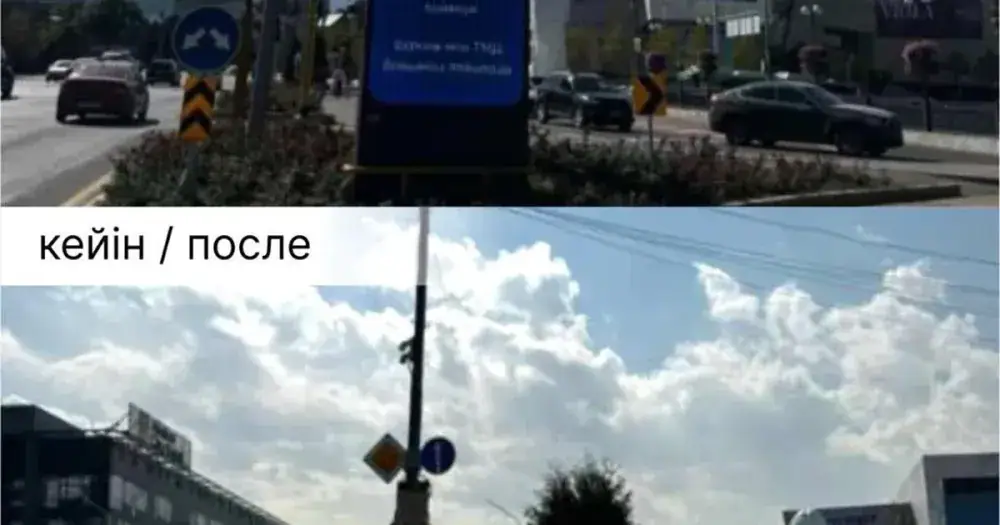
Efforts are in full swing in Almaty to ensure outdoor advertising structures comply with established regulations. This was reported by the city's Department of Architecture and Urban Planning.
Monitoring has identified illegally installed structures that don't meet the standards set by the Rules for Outdoor Visual Advertising Installation. Owners of such structures are notified of the need to rectify these violations. If these requirements are not met, the structures are dismantled.
Read also:
"Particular attention is paid to objects that create visual noise, disrupt the city's architectural appearance, and hinder safe pedestrian and vehicular movement. This work is ongoing and will be intensified,
Photo: gov.kz
29 September 2026
Over 20,000 Hectares Treated in Almaty for Autumn Rodent Control
Over 20,000 hectares have been treated in Almaty for rodent control as part of an autumn campaign, targeting multiple districts and using advanced methods.
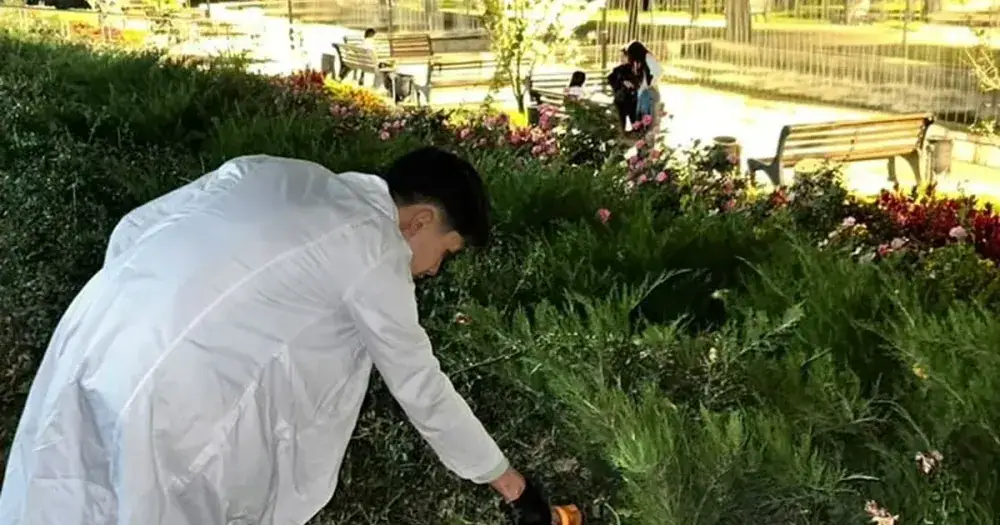
The autumn phase of the comprehensive rodent control campaign is ongoing in Almaty. As of September 29, specialists have treated over 20,000 hectares in the Bostandyk, Medeu, and Almaly districts. The overall goal is to cover more than 47,000 hectares of public areas.
Treatment is being carried out in areas where rodents are likely to inhabit, such as green zones and open biotopes, burrows, along ditch networks, riverbanks and bodies of water, at public transport stops, markets, medical and social institutions, legal entities' premises, as well as sites managed by waste disposal organizations.
Comprehensive and simultaneous treatment of different areas enhances the effectiveness of rodent control, prevents the movement of rodents to neighboring plots, and reduces the risk of their re-spread.
For rodent control, a special grain bait based on bromadiolone, a second-generation rodenticide, is used. The product is designed to combat rats and mice, including populations resistant to previous generation agents. It also contains Bitrex, a bitter component that minimizes the chance of accidental ingestion by humans and non-target animal species. The product is classified as a low-hazard substance, falling into the 4th hazard class.
The effect of the product is not immediate: after ingestion, rats typically die within 8 to 13 days, and mice within 7 to 10 days. During the action of the active substance, rodents may exhibit altered habitual behavior and reduced natural wariness. During this period, rats may leave their shelters more frequently, appear in open areas, and be less responsive to human presence.
Thus, the increased sightings of rats in open areas, reported in social media videos, may be linked to the ongoing rodent control and the product's effect on rodent behavior.
In urban environments, rats form large, hidden colonies in sewer systems, basements, and other inaccessible places. Therefore, systematic and comprehensive treatment of areas is necessary to control their population.
Residents of private sectors can obtain special rodent control measures free of charge. Alongside the products, specialists provide instructions and explain the application rules.
A key feature of rodent control is the comprehensive approach: treatment is conducted simultaneously across entire areas to reduce the likelihood of rodents moving from treated areas to adjacent ones.
Public area rodent control in Almaty is conducted twice annually - in spring and autumn. The autumn phase aims to reduce rodent numbers prior to their seasonal migration from open habitats into structures.
Reported by Housing and Utilities 24, referencing the website of the Department of Municipal Infrastructure and Housing Inspection of Almaty.
Photo: gov.kz