7 August 2026

Comprehensive Efforts Underway to Clean Esil River in Astana
Astana enhances efforts to clean the Esil River, focusing on algae control and ecological restoration.
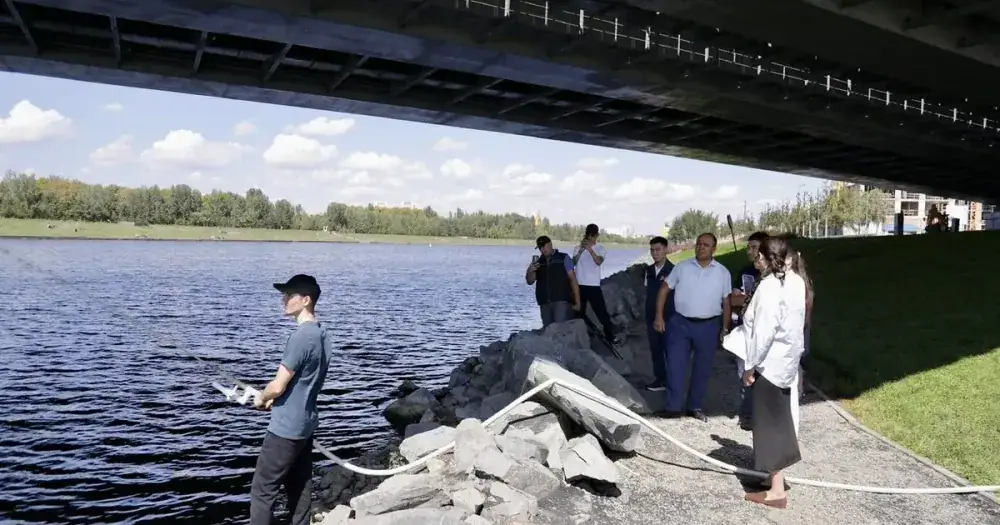
Astana is undertaking comprehensive efforts to clean the Esil River and its surrounding areas. The summer activities include mechanical removal of silt and debris, alongside the use of modern biological cleaning methods, as reported on the official website of the Astana Akimat.
According to specialists, this year has seen an increase in algae blooms in certain sections of the Esil River, exceeding historical averages. The main causes are abnormally high air temperatures and reduced water levels.
External factors also impact the river's condition. The quality of the water is affected by its state in upstream regions. Additional strain is caused by biogenic substances, such as nitrogen and phosphorus compounds, and organic pollutants. Experts also warn of the potential for unauthorized discharges into the river and its tributaries, the Sarybulak and Akbulak streams. All these factors contribute to the active growth of blue-green algae.
In response, relevant agencies along with the Astana Department of Ecology conduct regular inspections of problematic areas with water sample collection. Based on laboratory analyses, specialists assess the current state of the water body.
Daily sanitation tasks are conducted on the river. Special equipment, including reed cutters, specialized pontoons for harvesting aquatic vegetation, and watercraft, are used to clear sections with high concentrations of algae. Particular attention is given to popular recreational areas along the waterfront. Additionally, regular cleanup of the riverbank is conducted.
In stagnant areas with low water flow, the use of a green microalgae suspension, chlorella, is planned. This method is considered an environmentally safe alternative to chemical treatments. Chlorella actively absorbs nitrogen and phosphorus compounds, essential nutrients that spur the growth of blue-green algae, thereby helping to control their development and restore the natural biological balance of the water body.
During photosynthesis, chlorella enriches the water with oxygen, creating favorable conditions for fish and other aquatic organisms and promoting the natural self-purification processes of the water.
Specialists assert that the suspension used is non-toxic and safe for the aquatic ecosystem, including fish, birds, and aquatic plants. Ecologists note that the effects of chlorella application will be gradual; restoring biological equilibrium requires time, with initial results expected a few weeks after the suspension is introduced.
Photo: gov.kz