7 August 2026

Internal Corruption Risk Analysis Initiated by Almaty Akimat's Administrative Office
Almaty Akimat's Administrative Office initiates a corruption risk analysis, scheduled from August 10 to September 18, 2026, inviting public input until August 17.
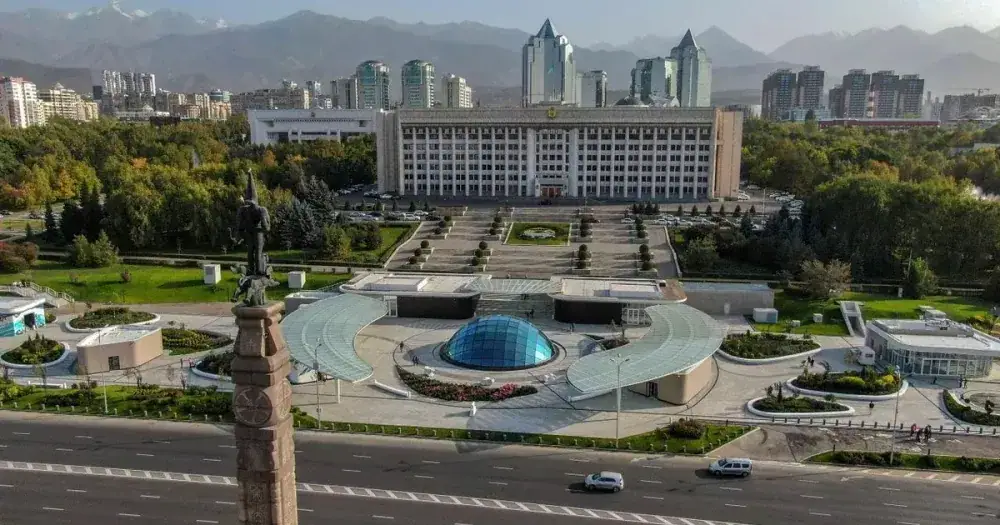
The Almaty Akimat's Administrative Office has announced the commencement of an internal analysis focusing on corruption risks within its operations, as mandated by Article 8 of the Republic of Kazakhstan's Anti-Corruption Law. The analysis is scheduled to take place from August 10 to September 18, 2026.
Should you have any information regarding corruption risks, administrative barriers, or suggestions for improving the evaluated area, the Administrative Office requests that this information be submitted by August 17, 2026, either via email at vakr_akimat_almaty@mail.ru or through WhatsApp at +7 707 716 6117.
Read also:
Any submitted information will be utilized to develop recommendations for mitigating corruption risks. Confidentiality and anonymity are guaranteed.
For any inquiries, please contact the following numbers: +7 707 716 6117, +8 708 950 90 04.
reported by ЖКХ24, citing the official website of the Almaty Akimat.
Photo: gov.kz
7 August 2026

Astana Prosecutor's Office Warns About Common Fraud Schemes
Astana Prosecutor's Office highlights common fraud schemes and preventative measures to protect citizens' rights and financial security.
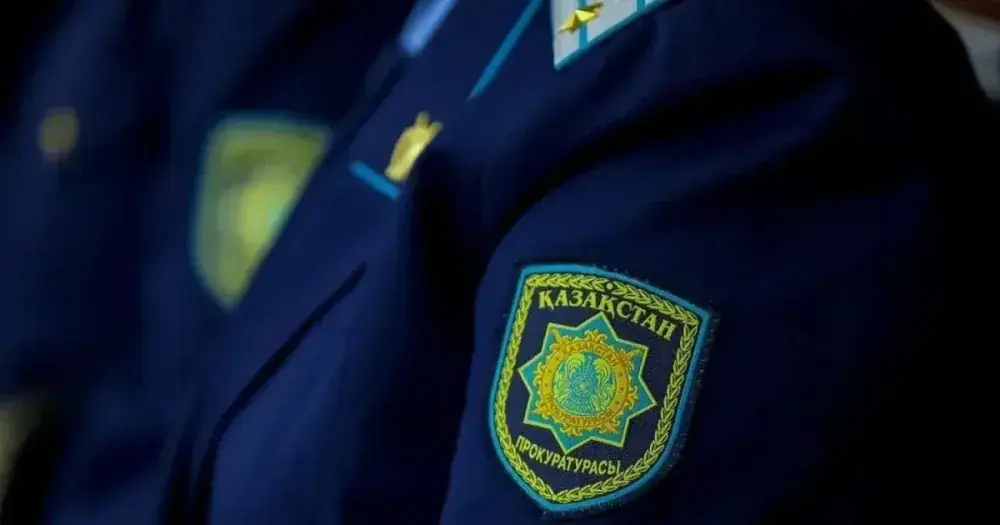
The Astana Prosecutor's Office has announced important preventive measures against fraud. The primary role of the prosecutor's office is to prevent violations and protect citizens' rights, as emphasized by Shariramadan Sultan, head of the Nura District Prosecutor's Department, at a briefing by the capital’s Communication Service, as reported by the official website of the Astana City Administration.
According to Sultan, the Nura District Prosecutor's Office collaborates with police and other state bodies in combating crimes against property and the lawful interests of citizens. To ensure the financial security of the population, informational campaigns and preventive activities are organized.
The most common fraud schemes include demands for upfront payments for services not rendered, deception in sales transactions, and embezzlement during property leases.
With the advancement of digital technologies, the number of internet scams has increased. Criminals actively use social media and messaging apps (Instagram, WhatsApp, Telegram), fake websites, and phishing messages to deceive citizens and obtain their money.
"Today, perpetrators use various schemes to gain the trust of citizens. These include demanding advance payments under the guise of repair works without fulfilling obligations, as well as misappropriating funds through offers of travel packages and airline tickets or hotel reservations without providing them. Fraudsters pose as bank employees or government officials, convincing people to transfer money to a 'safe account' or disclose banking card details and confirmation codes received via SMS," said Shariramadan Sultan.
Read also:
The prosecutor's office warns citizens to be cautious of suspicious offers and not to disclose personal information to third parties.
Furthermore, to enhance the financial literacy of the population, video clips and informational materials have already been prepared. The Nura District Prosecutor's Office is committed to regularly conducting explanatory events among schoolchildren, students, and working citizens.
"Do not share banking card details and confirmation codes with strangers. It is essential to critically assess offers that seem too good to be true. The laws of Kazakhstan strictly punish fraud," concluded the speaker.
Reported by JKH24 referencing the website of the Department of Energy and Housing and Utilities of the City of Astana.
Photo: gov.kz